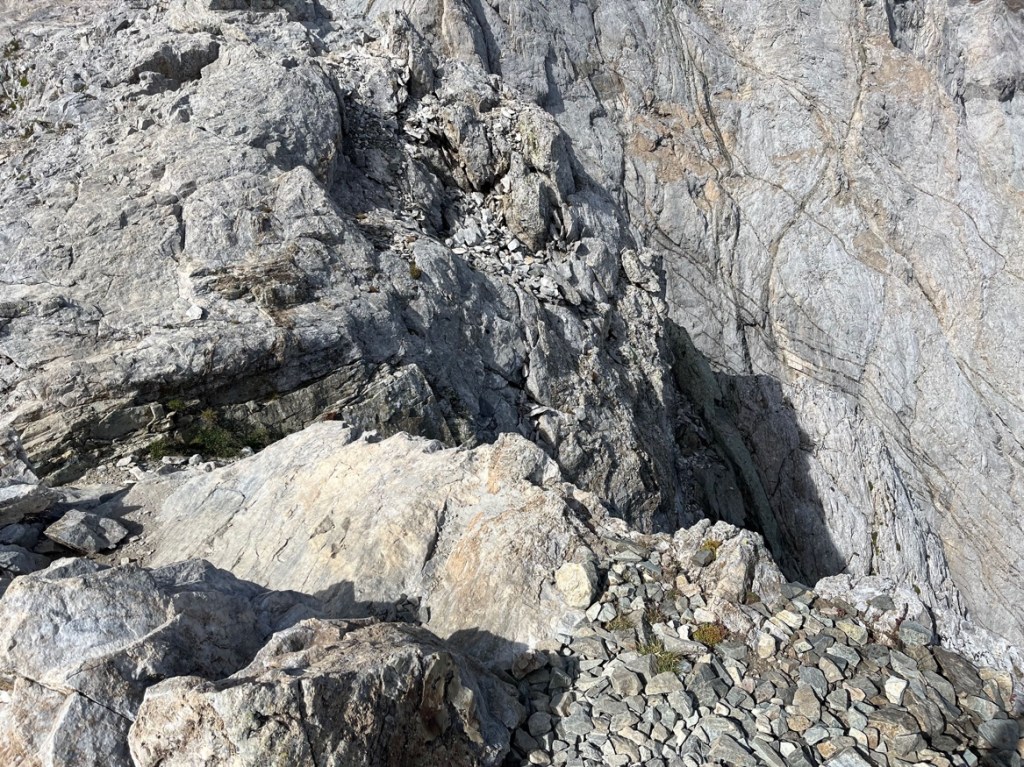
Nature is alarming. Its biological appearance on the cover of planet earth is an odd one out, given the vastness of a universe that usually embraces geology. It can be sublime, despite Earth’s nature being fundamentally violent and mutually devouring. In nature, decay and death are always nearby. It does not seem to care. To create a distance to it that is never certain, humans built different collectives all over the planet to hide in. Against nature’s heat and cold, its viruses, and the unreliability of the hunt, harvest, or fridge, we have linked up humans, things, techniques, and knowledge, and didn’t know when to stop. Exploiting the surface of this planet’s nature for a better human life: knowing how and knowing that, helped with that inquest.
Human collectives only exist through information and communication, and devices assisting with that – stories shared around the fire, nations listening to the radio, a republic of letters, a vast state coming together connected by a little red book, another one falling apart divided by posts on platforms – each of those devices are creating different tendencies by offering different forms of a collective. Could an AI-internet, a digital network of nodes feeding language models to machine-translate-everything, bring cultures closer together as the climate is changing for all of us? That cultures can come together has been tested in a long-term experiment called “London”, this utopian place of a city. Across its spread-out architecture, cultures find themselves side by side daily, living, working, taking the underground, constantly saying that they are ‘sorry’, enjoying each other’s type of food, falling in love. Far beyond London, something similar is happening: everywhere everyone started to travel visiting each other’s collective. More than ever before are we crossing borders, although for different reasons: planning trips, renting accommodations, booking tourist guides, or smugglers, getting away, flying to Chile, taking a break, using apps to translate the unfamiliar, migrating, dying while trying, being somewhere else.
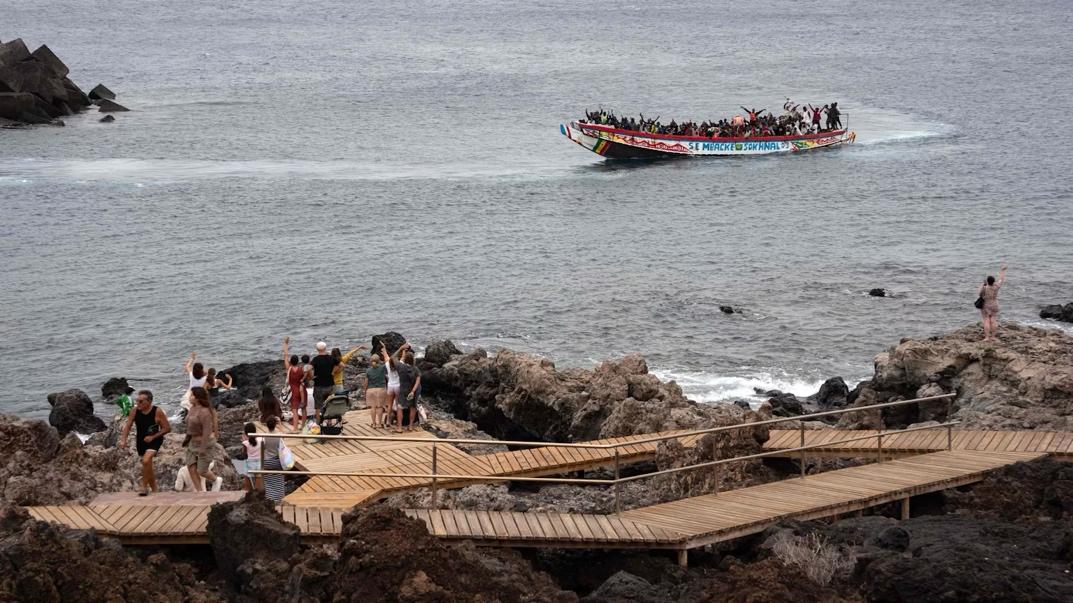
Overtourism and migration waving at each other.
Canary Islands in Spain 2024, Antonio Sempere/AFP.
If you squinted a little, let’s say to read overtourism and migration positively, it seemed as if we humans could become this bigger collective. One that is interested in each other’s collectives, their worlds, and the planet; one that advances and balances freedom and equality with community and care, knowing that these values were built in parts on questionable foundations, but maybe could be re-engineered, kidnapped, adapted? And that then, guided by their new versions, we could all live and share our space station planet earth, cleaning up the mess we are making, learning when to stop, listening to each other, saying: sorry. For saying sorry, the Global North has many reasons. Could we leave the Northern idea of empire behind? After all, if cultures can share the London underground – stuffed into moving carriages like dead, delicious sardines into a can, rubbing shoulders, breathing into each other’s neck, peacefully – maybe we could also go for a democracy of cultures sticking to climate goals? At least if the biggest nations, that are also biggest polluters, embrace that direction? Well, that was the idea. On Tuesday November 5th, 2024, that idea of us coming together to regulate the temperature of that space station came to a halt.
Of course, at the beginning of the 21st century, the not so United States of America were not the only nation that turned to polarising populism. Many other cultures and nations show the same deformation, an effect of something Stuart Hall once called ‘deeper time’; a force morphing the human artifice – suddenly different parts of the human artifice surface the same dull idea all at the same time. Here, the vote on November 5th was a sign; a sign that the nonsense will continue; a sign that humans struggle to care about other collectives on the planet; a sign that collectives as we have them now may be the wrong formation – how to format differently, alongside what technologies and concepts?
Democracy wobbles, once we vote someone into power who does not aim to sublate differences but thrives on them. When you don’t beg to differ and disagree, but take it one notch further: triumph over, disdain, and despise. Civil war by words, that some take for real, that are real. The idea of enlightenment, that with the right information and education, people make informed and better choices, faces a hurdle. Or maybe it comes to an end? In times of the internet at our fingertips, no one can say they could not and did not know. Re-electing that president is not the effect of an echo chamber, or a filter bubble, or of fake news. Everyone had that person already for four years, everyone heard what that person had to say, and everyone knows: the protective institutional guardrails—the ‘balance’ a democracy requires—will be attacked by that person. Democracy does not die in darkness. As once before nearly a century ago in Germany, it dies in plain sight.
Now humans like me, that squinted a lot, have to look themselves in the face – in the end, we are more part of nature than we thought. Capitalism is us. We are violent, full of mutual devouring, decay, and death. By default, we are bickering, selfish beings that easily hate, fearfully we hold on to our profit, although we can also at times be sweet helping other people, and animals, and plants (we rarely help rocks). And some of us, much like capitalism, like art. And we do all of that while overpopulating and consuming a planet, that callously shrugs its shoulders: nature will survive its humans. There will always be geology.
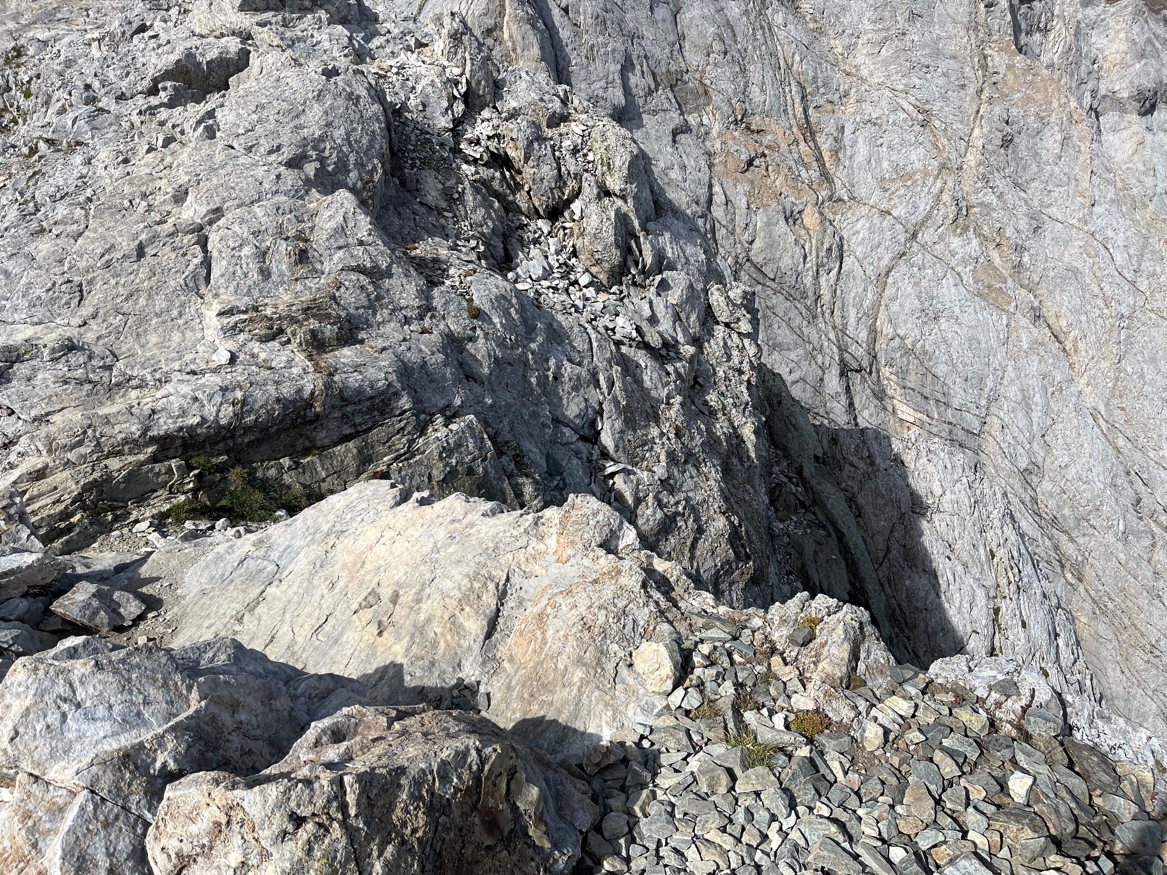
Rocks. Pyrenees, 2023.
Where to take a stand? What relations do we need now, what kind of ‘we’ do we need in our current future? What technologies do we have, and what different collectives can we build with them? What collectives would we need? How can we rethink the deranged connective borders of our current collectives? Can machine learning models and their calculations, which enter high dimensional spaces through which they relate the unrelatable, inspire this thinking? And what about the rocks? For there are several options, and things will be moving, morphing sideways. It will not end here. Not yet.
Written while travelling, 7th and 18th Nov 2024.


Leave a Reply