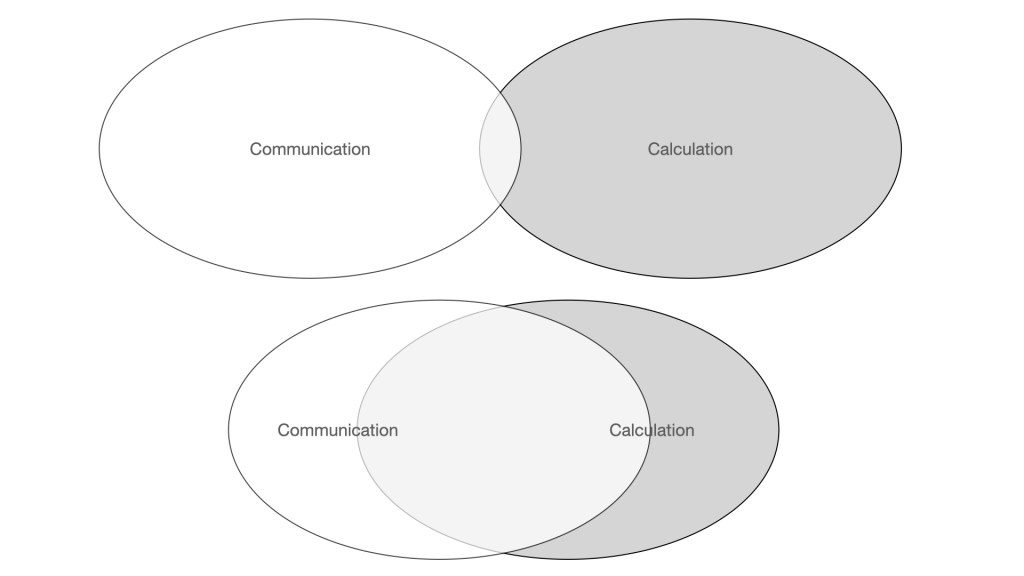
Delighted (and slightly bewildered) to see my article “On the Calculation of Meaning, or Doing Words without Things” finally published in Critical Inquiry. The article brings the computational mechanisms of LLMs in conversation with literary+philosophical theories of language to show that their calculation of meaning sits fundamentally differently in our world even though on the surface they can look alike.
Below is a summary/abstract and here is a link to the ‘author’s version’.
Inspired by Michael Riffaterre’s Fictional Truth (1990), this article brings computational mechanisms of the first generation of LLMs using the transformer architecture in conversation with literary and philosophical theories of language to show that their calculation of meaning sits fundamentally differently in our world than the language produced through communication of meaning, even though on the surface they might look alike.
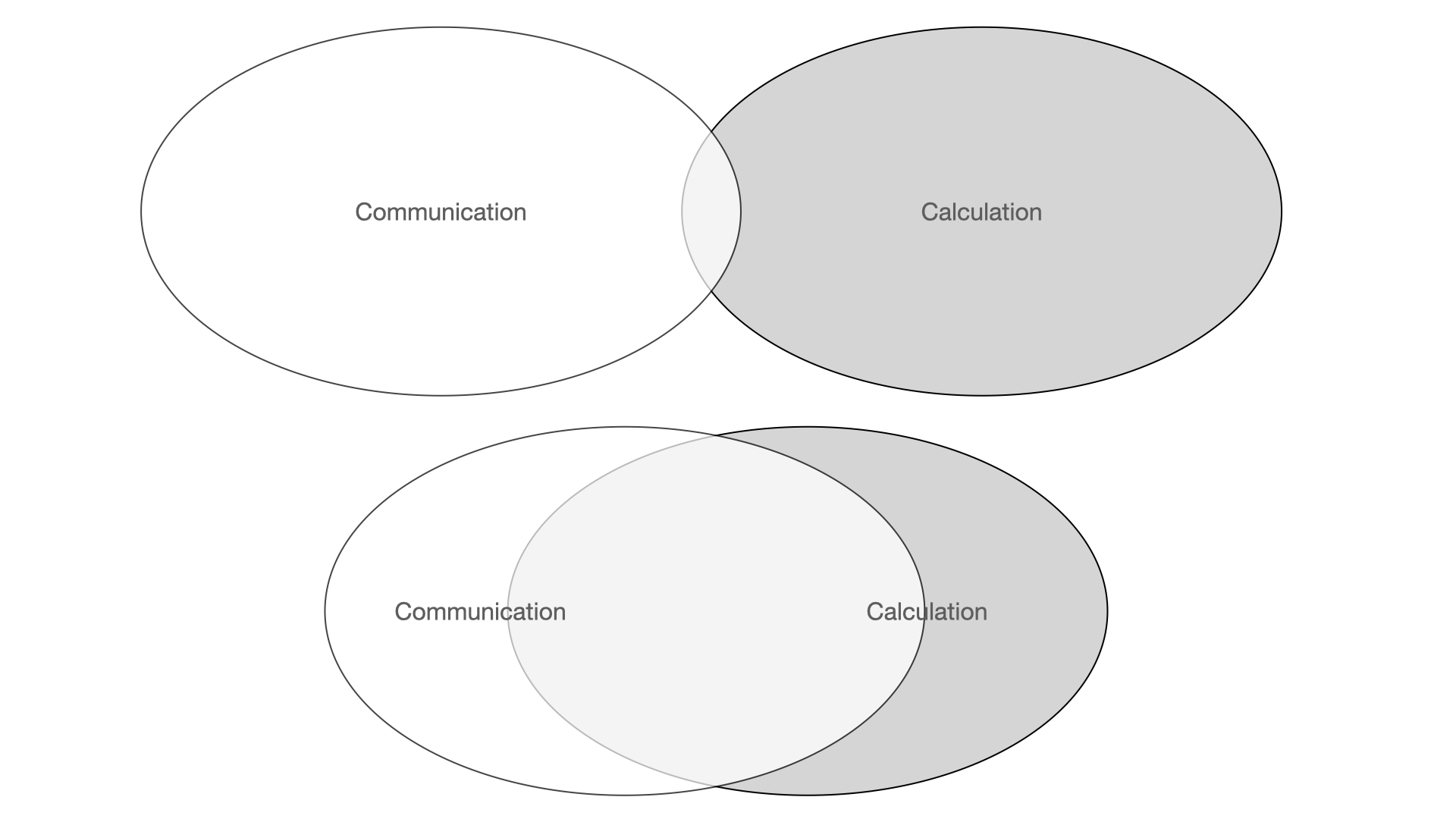
Given the well-known fact that LLMs calculate meaning from distributed semantics—in other words, from analyzing form alone, bare of any relation to the outside world and its things—the article turns to the particular role of things in communicated language (fiction and nonfiction) as discussed for literature by Bill Brown and for language philosophy by Hilary Putnam.
Reading their different takes together allows us to see that the language used in the communication of meaning is calibrated rather differently than the language used when calculating meaning, and that LLMs’ generated writing is a new and different mode of production with its own and different strengths, capabilities, concerns, and needs for care when making meaning.
 Mercedes Bunz
Leave a comment